Australia has long been known as one of the world’s leading hubs for mining, with vast reserves of minerals, strategic investment, and a strong global reputation in resource extraction. From gold and iron ore to lithium and copper, the country’s mining industry continues to grow—and with that growth comes a constant demand for skilled mining engineers. If you’ve ever considered a career in this field or are curious about the opportunities available, Australia is one of the best places to explore this profession.
Why Mining Engineers Are in Demand in Australia
Australia’s economy relies heavily on the mining sector. In fact, mining contributes billions of dollars each year to national revenue and provides thousands of jobs directly and indirectly. As global demand for resources increases—especially for battery minerals like lithium—the need for qualified mining engineers continues to rise.
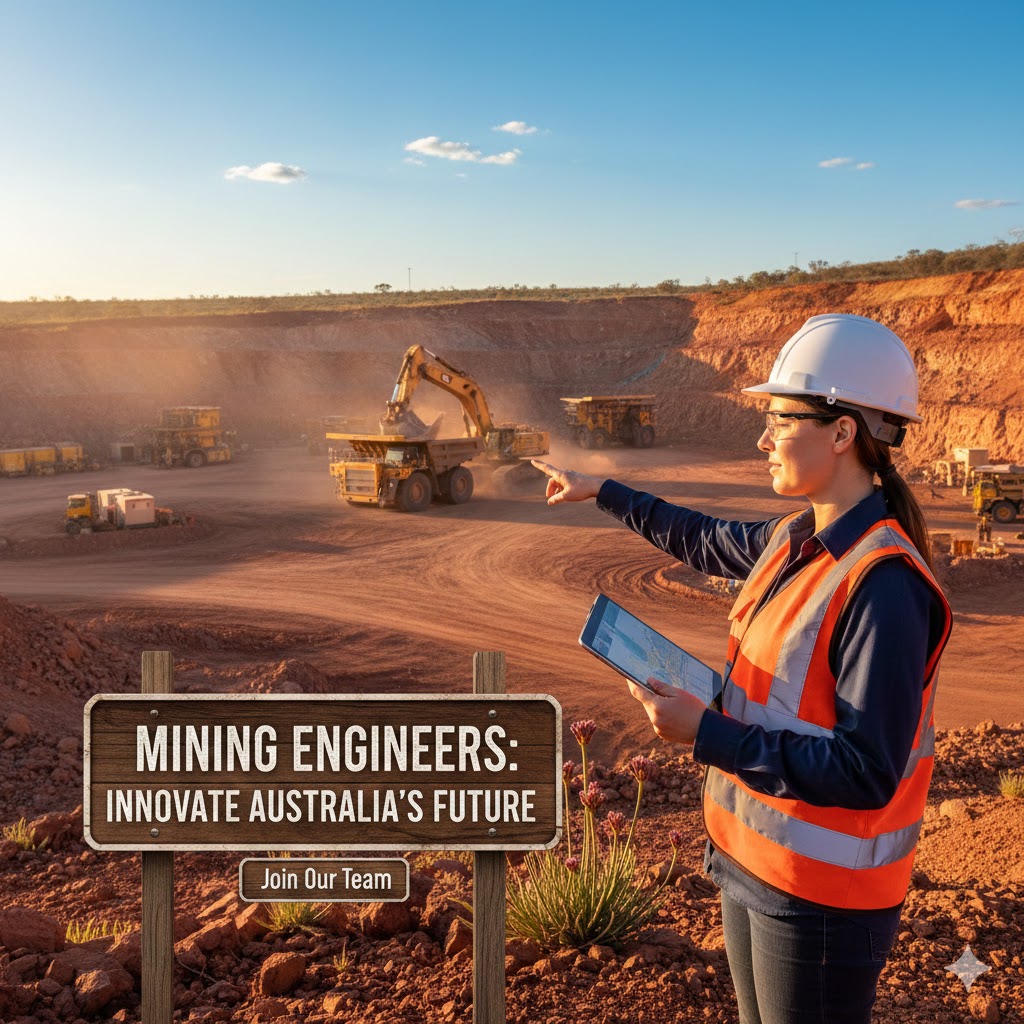
Mining engineers play a crucial role in planning, designing, and overseeing mining operations. They ensure that minerals are extracted safely, sustainably, and efficiently. Because of the complexity of modern mining operations, companies are constantly searching for professionals with strong technical knowledge, problem-solving skills, and an understanding of new mining technologies.
In regions such as Western Australia, Queensland, and the Northern Territory—where mining activity is particularly strong—mining engineers are consistently listed as shortage occupations. For job seekers, this translates into abundant opportunities and competitive salaries.
What Does a Mining Engineer Do?
While the specific responsibilities may vary depending on the company or type of mine, the core duties usually include:
-
Planning mining operations: Designing mine layouts, determining resource extraction methods, and evaluating the safety of mining systems.
-
Conducting feasibility studies: Estimating costs, resources, and timelines for new mining projects.
-
Supervising mine construction and operations: Overseeing daily activities, monitoring machinery, and ensuring teams follow safety standards.
-
Working with geological data: Collecting and analyzing rock and soil samples to understand resource distribution.
-
Environmental management: Ensuring mining operations are sustainable and comply with environmental regulations.
-
Implementing new technologies: Introducing automation, advanced machinery, or environmentally friendly systems.
The role often requires both fieldwork and office-based tasks, making it ideal for individuals who enjoy a balance of hands-on work and technical analysis.
Qualifications Needed for Mining Engineer Roles
To work as a mining engineer in Australia, you typically need at least:
-
A bachelor’s degree in Mining Engineering, Geological Engineering, or a related field
-
Industry experience, which can often be gained through internships or graduate programs
-
Registration or membership with professional bodies like Engineers Australia (optional but beneficial)
-
Understanding of relevant software such as CAD programs, mining simulation tools, or geological mapping systems
Overseas-trained engineers may need to have their qualifications assessed, especially if they plan to apply for skilled migration.
Where the Jobs Are: Top Mining Locations in Australia
Although mining occurs across the country, certain regions dominate employment for mining engineers:
Western Australia
Known for iron ore, gold, and lithium mines, WA is home to massive mining projects. Companies like Rio Tinto, BHP, and Fortescue Metals Group recruit mining engineers year-round. Many jobs are based in remote areas, often requiring FIFO (Fly-In Fly-Out) work schedules.
Queensland
Coal mining is especially prevalent here, but the state also produces copper and zinc. Central Queensland and the Bowen Basin are hotspots for engineering roles.
Northern Territory
With growth in gold and critical minerals, the NT is becoming an emerging destination for engineers.
South Australia
Rich in copper and uranium resources, the state also offers well-paid roles, though competition can be higher due to fewer active mines.
Working Conditions and Lifestyle
Mining engineering jobs in Australia can differ dramatically depending on whether you work in metropolitan offices or remote mine sites.
FIFO Lifestyle
Many mining engineers work FIFO, flying from major cities to remote sites for set periods—often 8 days on/6 days off or similar rotations. While the schedule can be demanding, it offers long stretches of time off and competitive pay.
Residential Roles
Some mines allow workers to live in nearby towns. These roles may provide more work-life balance but can involve living in smaller, rural communities.
Salary Expectations
Mining engineers in Australia enjoy some of the highest salaries in the engineering field. Although pay varies by experience and location, general ranges include:
-
Graduate Mining Engineer: AUD $80,000 – $110,000 per year
-
Mid-level Engineer (3–6 years): AUD $120,000 – $160,000
-
Senior Mining Engineer: AUD $160,000 – $220,000+
-
Specialized or managerial roles: Often exceed AUD $250,000
FIFO roles usually offer additional allowances, bonuses, and benefits.
Visa and Migration Options for Overseas Engineers
Australia’s mining sector often faces skills shortages, which means many employers are open to hiring international talent. Some relevant visa pathways include:
-
Skilled Independent Visa (Subclass 189)
-
Skilled Nominated Visa (Subclass 190)
-
Skilled Work Regional Visa (Subclass 491)
-
Employer Sponsored Visas (482/186)
Mining Engineer is frequently listed on the Skilled Occupation Lists, making migration a viable option for qualified professionals. However, applicants usually need a skills assessment from Engineers Australia.
How to Stand Out When Applying
If you’re aiming to break into the Australian mining industry, here are a few tips:
-
Build experience through internships or graduate programs
-
Highlight software and technical skills in your resume
-
Demonstrate knowledge of Australian mining policies and safety standards
-
Tailor applications to each mining company
-
Consider FIFO roles as a starting pathway
-
Obtain certifications like safety training (e.g., White Card, First Aid)
Employers also value candidates who can work in harsh conditions and adapt to remote environments.
Future of Mining Engineering in Australia
The mining industry is undergoing rapid transformation. Automation, sustainability goals, and new exploration technologies are reshaping how mining engineers work. Roles in renewable energy minerals, green mining practices, and AI-based operations are becoming more common.
This shift creates exciting opportunities for engineers who are ready to embrace innovation.
Final Thoughts
Mining engineering is one of Australia’s most rewarding and promising career paths. With strong job demand, excellent salaries, and opportunities for both local and international professionals, the field offers a secure and exciting future. Whether you’re a student, a recent graduate, or an experienced engineer looking for new horizons, Australia’s mining industry remains a world-class destination for career growth.